‘relationships are everything’:
interview with sandra and donna (part 2)
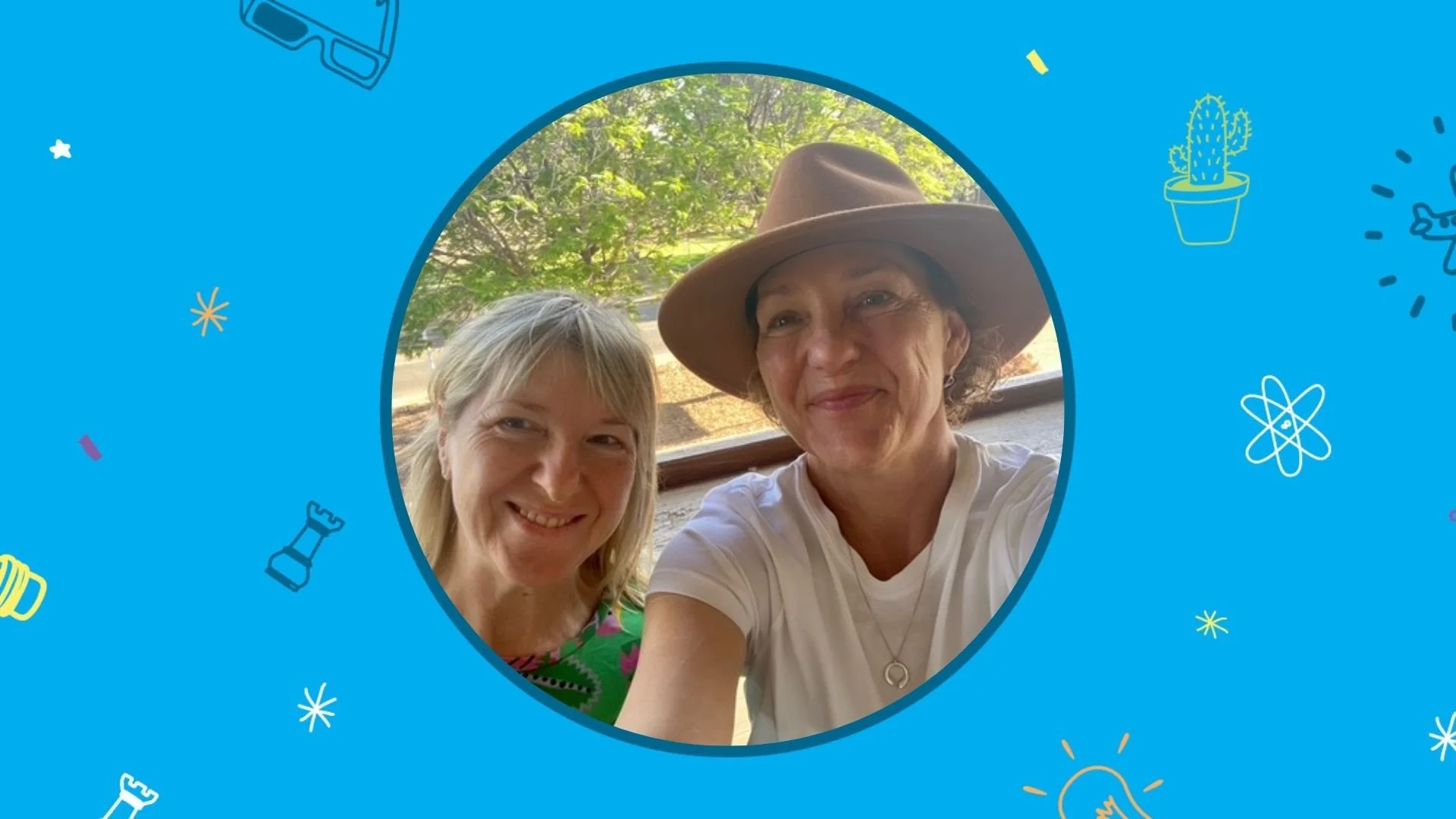
In Part 1 of our interview with QUT researchers Sandra Gattenhof and Donna Hancox, we found out why Sandra and Donna work with community arts organisations in regional Australia to evaluate their impact, and why it’s vital for these organisations to use data to tell stories about the positive differences their programs are making within their communities. In Part 2, we’ll learn how Sandra and Donna go about their work, what they’ve learned from their research, and what has surprised them.
As experts in evaluating the impact of creative arts in regional Australian communities, Sandra and Donna say that flexibility and negotiation are important parts of their methodology.
‘It is important to recognise that a single approach or a single set of parameters to measure and report success may not be applicable to all organisations and communities,’ they say.
‘Every approach to account for the success and possible improvements for arts, culture and creativity needs to be negotiated and agreed by the organisation/community.
‘Our research highlights the need to develop impact assessment models and approaches that are people-centered and have flexibility to be shaped by end-user defined outcomes.
‘One set of defined markers will not suit all communities – even those of similar population sizes – as differences in geography, infrastructure, engagement and equity of access to arts and culture need to be considered.’
Sandra and Donna recognise the inherent strengths of the communities they work with, noting that one of the most important things they’ve learned from their research is that ‘communities already know the solutions to the challenges they face’.
‘Often that work is already happening in surprising places, such as community arts organisations, libraries, craft groups, community health organisations and schools,’ they say.
‘Also, if your voice is not in the data it won’t be reflected in the policy!’
Sandra says that strong relationships are crucial to the way they gather data for their research.
‘Relationships are everything,’ she says.
‘Without strong bonds between the researchers, the organisations and the communities no-one benefits. People first, data second.’
Sandra and Donna say that they’re always surprised by how generous communities are to them, wherever they go. But this comes as no surprise to the Story Island team, as we’ve seen firsthand how their relational way of working builds strong relationships that foster not only strong data and meaningful outcomes, but also sparks the spirit of generosity that regional communities are known for.
‘We’re also surprised by how committed communities are to creating thriving futures for everyone, and the level of creativity and innovation in the most surprising places.’
When they aren’t working on their research projects, Sandra can be found ‘lifting heavy weights, reading cook books and walking. Lots of walking,’ while Donna favours ‘trying to run, reading good books and watching terrible reality television’.
We hope that Sandra and Donna get lots of time for these hobbies over the summer break, so they’ll well be rested and ready to work with our Story Island community in the New Year. We can’t wait.
Quisque iaculis facilisis lacinia. Mauris euismod pellentesque tellus sit amet mollis.